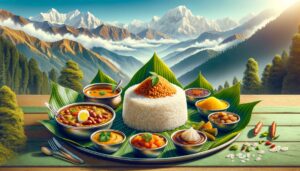
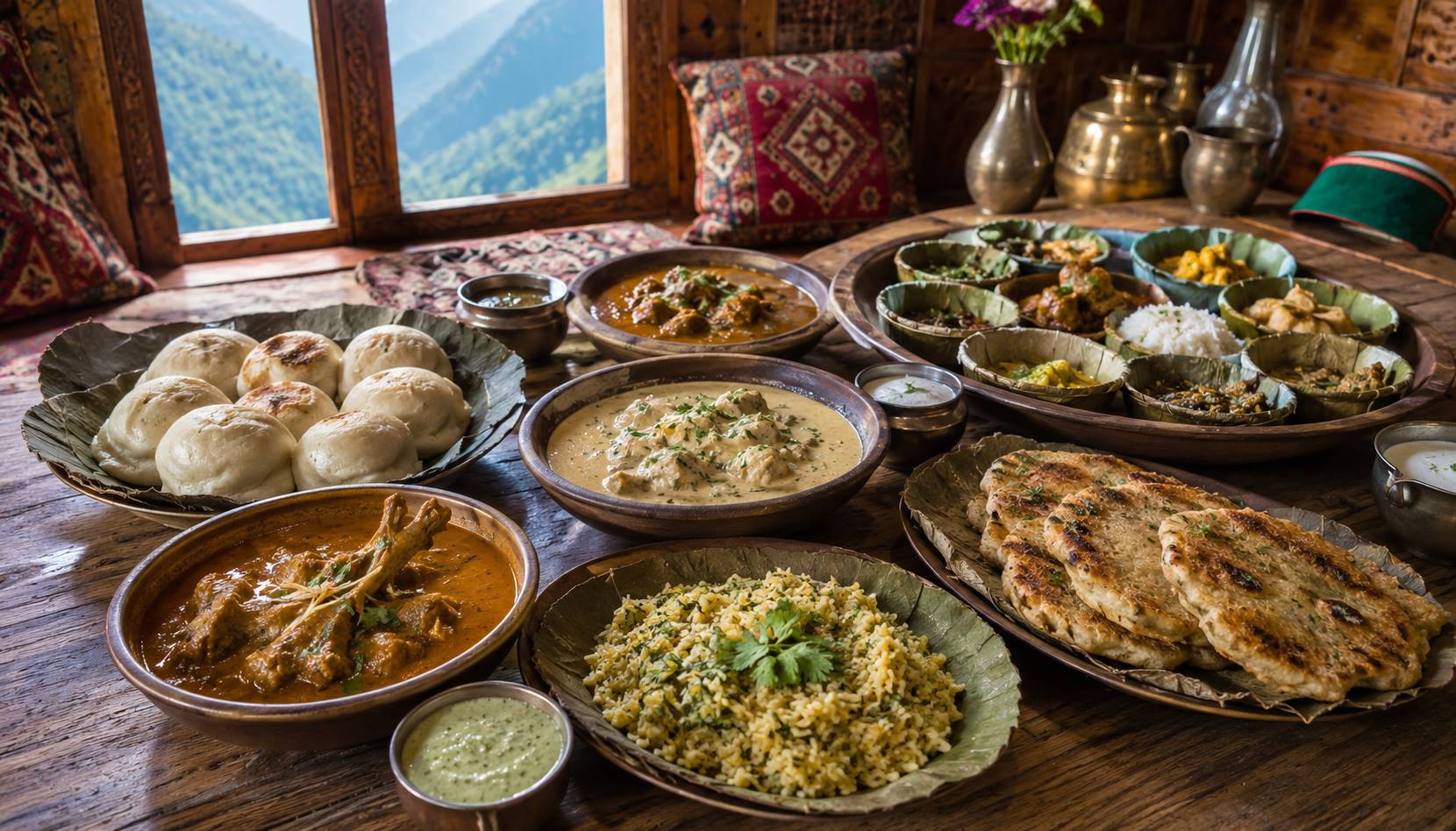
Traditional Himachali Food reflects the culture, climate, geography, and lifestyle of the mountain communities that have preserved their recipes for generations. Prepared using locally sourced ingredients, aromatic spices, lentils, yogurt, and grains, Himachali cuisine offers a unique blend of simplicity and rich flavors. Nestled in the lap of the Himalayas, Himachal Pradesh is renowned not only for its snow-capped mountains, lush valleys, and scenic hill stations but also for its rich and diverse culinary heritage.
From festive feasts like Dham to delicious local delicacies such as Siddu, Madra, and Babru, Himachali food introduces travelers to the authentic taste of the Himalayan region. Every dish tells a story of tradition, hospitality, and the deep connection between the people and their mountainous homeland.
The Essence of Himachali Cuisine
Traditional Himachali food is heavily influenced by the cold climate and agricultural lifestyle of the state. Most dishes are wholesome, nutritious, and designed to provide warmth and energy during harsh winters. The cuisine varies from region to region, with areas such as Chamba, Kangra, Kullu, and Shimla having their own unique specialties and cooking styles.
Unlike heavily commercialized cuisines, Himachali food still retains its traditional authenticity. Meals are often prepared slowly using age-old methods and natural ingredients, creating rich flavors that are difficult to replicate elsewhere.
Yogurt, lentils, wheat, rice, ghee, and spices play an important role in most dishes. The use of minimal onion and garlic in many traditional preparations gives Himachali cuisine its distinctive identity.
Siddu: The Traditional Himachali Bread
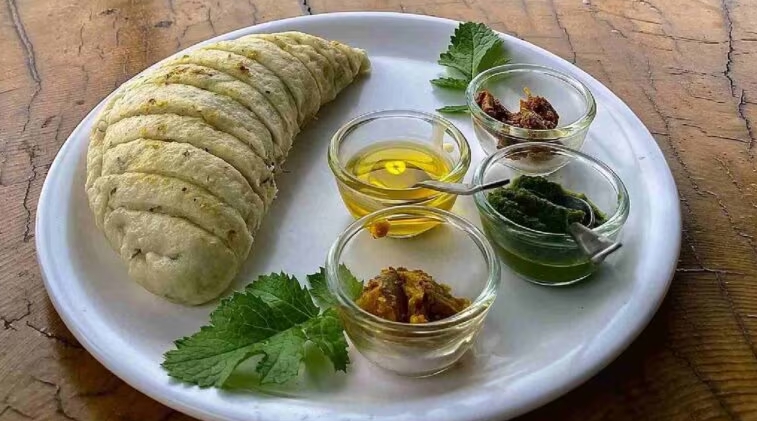
One of the most famous dishes of Himachal Pradesh is Siddu, a steamed bread that is particularly popular in the Kullu and Manali regions.
Preparation and Ingredients
Siddu is made from wheat flour dough that is allowed to ferment for several hours. The dough is then stuffed with ingredients such as:
- Crushed walnuts
- Poppy seeds
- Lentils
- Green peas
- Spices
After stuffing, the bread is steamed instead of fried or baked, making it soft and fluffy.
Taste and Serving Style
Siddu is usually served hot with:
- Pure desi ghee
- Mint chutney
- Dal
- Mutton curry
The warm and comforting texture of Siddu makes it especially enjoyable during the cold winter months in the Himalayas.
Chha Gosht: A Rich Himachali Mutton Curry
For non-vegetarian food lovers, Chha Gosht is one of the finest traditional dishes in Himachali cuisine. This flavorful mutton preparation is known for its creamy texture and aromatic spices.
Unique Cooking Style
The dish is prepared by marinating mutton in yogurt and cooking it slowly with gram flour and spices like:
- Cardamom
- Coriander
- Red chili powder
- Bay leaves
- Ginger-garlic paste
The yogurt-based gravy gives the curry a rich and tangy flavor while keeping the meat tender and juicy.
Cultural Significance
Chha Gosht is often prepared during festivals, weddings, and family celebrations. It is typically served with steamed rice or traditional Himachali bread.
Madra: The Heart of Himachali Festive Cuisine
No discussion about Himachali food is complete without mentioning Madra, one of the oldest and most celebrated dishes of the region.
Origin of Madra
Madra originated in the Chamba district of Himachal Pradesh and later became popular across the state. It is commonly served during traditional feasts and religious functions.
Ingredients and Flavor
Madra is usually prepared using:
- Chickpeas
- Kidney beans
- Black-eyed peas
These legumes are cooked in thick yogurt gravy enriched with spices such as:
- Cloves
- Cinnamon
- Cardamom
- Cumin
- Turmeric
The slow-cooking process allows the spices to blend beautifully, creating a creamy and flavorful dish.
A Staple of Dham
Madra is one of the key dishes served during Dham, the traditional Himachali feast.
Babru: Himachal’s Crispy Delight
Babru is a popular Himachali snack that resembles kachori but has its own unique flavor and preparation style.
How Babru is Made
Babru is made by stuffing wheat flour dough with black gram paste seasoned with spices. The stuffed dough is rolled out and deep-fried until crispy and golden brown.
Best Served With
Babru is commonly served with:
- Tamarind chutney
- Potato curry
- Mint sauce
It is often enjoyed as a breakfast dish or evening snack in local markets and villages.
Tudkiya Bhath: The Traditional Himachali Rice Dish
Another delicious specialty from Himachal Pradesh is Tudkiya Bhath, a flavorful rice preparation often compared to pulao.
Ingredients Used
Tudkiya Bhath is prepared using:
- Rice
- Lentils
- Potatoes
- Tomatoes
- Yogurt
- Aromatic spices
The dish is cooked slowly to allow the flavors to blend perfectly.
A Complete Mountain Meal
Traditionally, Tudkiya Bhath is served with mashed dal, curd, and lime juice, making it a wholesome and satisfying meal ideal for the cool climate of the mountains.
Dham: The Grand Traditional Feast of Himachal Pradesh
Among all Himachali culinary traditions, Dham holds a special place. More than just food, Dham is a cultural celebration that reflects the hospitality and traditions of Himachal Pradesh.
What is Dham?
Dham is a grand vegetarian feast served during:
- Weddings
- Religious ceremonies
- Festivals
- Community gatherings
The meal is traditionally prepared by special cooks known as Botis.
Dishes Included in Dham
A traditional Dham meal usually consists of:
- Madra
- Rajma
- Kadhi
- Rice
- Sweet rice
- Sepu Vadi
- Moong dal
The food is served on leaf plates, preserving ancient customs and eco-friendly practices.
Cultural Importance
Dham represents unity, celebration, and gratitude. It brings communities together and showcases the culinary richness of Himachal Pradesh.
Street Food and Local Snacks in Himachal Pradesh
Apart from traditional meals, Himachal Pradesh also offers a variety of local snacks and street foods.
Popular Snacks Include:
- Aktori
- Bhey (lotus stem dish)
- Kullu Trout Fish
- Patande
- Mittha
These dishes provide visitors with an opportunity to explore regional flavors beyond mainstream Indian cuisine.
Influence of Geography on Himachali Food
The mountainous terrain and cold weather of Himachal Pradesh have greatly influenced local food habits. Since farming conditions are challenging, people traditionally relied on ingredients that could grow in high altitudes and cold climates.
As a result, Himachali cuisine focuses on:
- Lentils
- Fermented foods
- Dairy products
- Grains like barley and wheat
- Slow-cooked meals
These foods provide warmth and energy necessary for mountain living.
Best Places to Try Authentic Himachali Food
Travelers visiting Himachal Pradesh can enjoy traditional food in places like:
- Manali
- Shimla
- Dharamshala
- Kullu
- Chamba
- Mandi
Many local restaurants, homestays, and village eateries serve authentic Himachali meals prepared using traditional methods.
Food festivals and cultural fairs are also excellent places to experience regional specialties.
Preserving Himachal’s Culinary Heritage
Modernization and changing lifestyles have impacted traditional cooking practices in many parts of India, including Himachal Pradesh. However, efforts are being made to preserve the region’s culinary heritage through food festivals, tourism initiatives, and local cooking traditions passed down within families.
Today, Traditional Himachali Food is gaining popularity among travelers who seek authentic cultural experiences and traditional flavors.
A Taste of the Himalayas Worth Experiencing
Traditional Himachali food is much more than a collection of recipes—it is a reflection of the state’s culture, traditions, and mountain lifestyle. Every dish carries the warmth of Himachali hospitality and the richness of centuries-old culinary traditions.
Whether it is the soft and comforting Siddu, the rich flavors of Chha Gosht, the festive delight of Madra, or the grand feast of Dham, Himachali cuisine offers a memorable gastronomic journey for every traveler.
Exploring Traditional Himachali Food allows visitors to connect deeply with the soul of Himachal Pradesh, making every meal an unforgettable part of their Himalayan adventure.