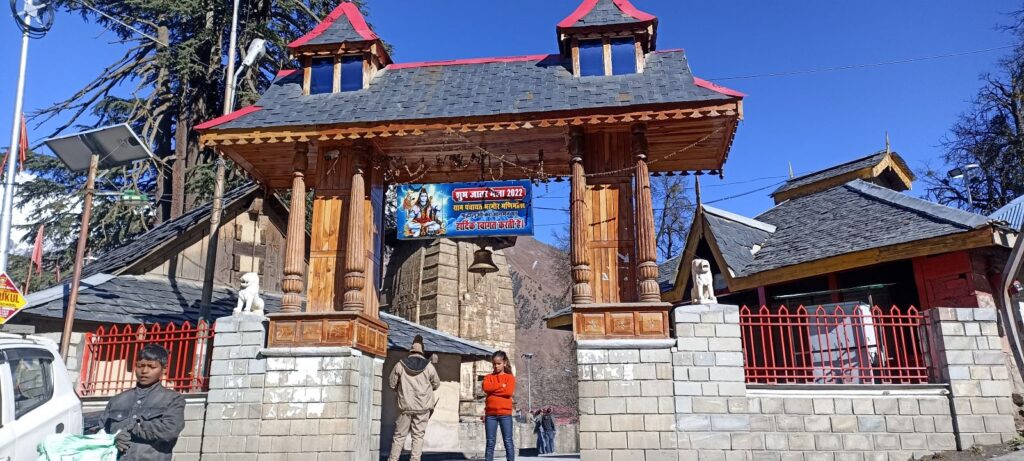
Nestled in the picturesque town of Bharmour in Himachal Pradesh, the Lord Ganesha Temple stands proudly near the entrance of the famous Chaurasi Temple Complex. This ancient shrine is one of the most revered temples in the region and holds immense religious, historical, and architectural significance. The temple is dedicated to Lord Ganesha, the remover of obstacles and the deity worshipped before commencing any auspicious work in Hindu tradition.
Located within the renowned “84 Temples of Bharmour” complex, the Ganesha Temple attracts pilgrims, historians, and travelers from across India. Its rich heritage, fascinating legends, and unique bronze idol make it one of the most remarkable spiritual sites in Himachal Pradesh.
Historical Background of Lord Ganesha Temple Bharmour
The Lord Ganesha Temple was constructed during the reign of the Varman dynasty around the 7th century A.D. Historical evidence found in inscriptions erected inside the temple attributes its construction to King Meru Varman, a prominent ruler who played a major role in establishing temples throughout Bharmour.
Bharmour, formerly known as Brahmpura, served as the ancient capital of the Chamba kingdom for nearly 400 years. During this period, many magnificent temples were built, including the famous Chaurasi Temple Complex which consists of 84 shrines dedicated to various Hindu deities.
The Ganesha Temple is considered one of the oldest structures within the complex. According to historical accounts, the original wooden structure of the temple suffered destruction during the Kira invasion of Bharmour. During this attack, the temple was reportedly set on fire, and the idol of Lord Ganesha was severely damaged. The legs of the deity were cut off, leaving the sculpture mutilated. Despite the damage, the sacred image continued to be worshipped and remains spiritually significant to devotees even today.
Religious Importance of the Temple
The placement of the Lord Ganesha Temple near the entrance of the Chaurasi Temple Complex carries deep symbolic meaning in Hinduism. Lord Ganesha is universally worshipped before any other deity and before beginning any religious ceremony, journey, or important task. He is regarded as the remover of obstacles, the patron of wisdom, intellect, and prosperity.
As pilgrims enter the Chaurasi Temple Complex, they first seek blessings from Lord Ganesha before proceeding to worship other gods and goddesses inside the sacred compound. This traditional sequence reflects ancient Hindu customs that continue to be followed faithfully by devotees.
The temple holds special importance during Ganesh Chaturthi and local festivals when worshippers gather in large numbers to offer prayers, sweets, flowers, and lamps to the deity.
The Magnificent Bronze Idol of Lord Ganesha
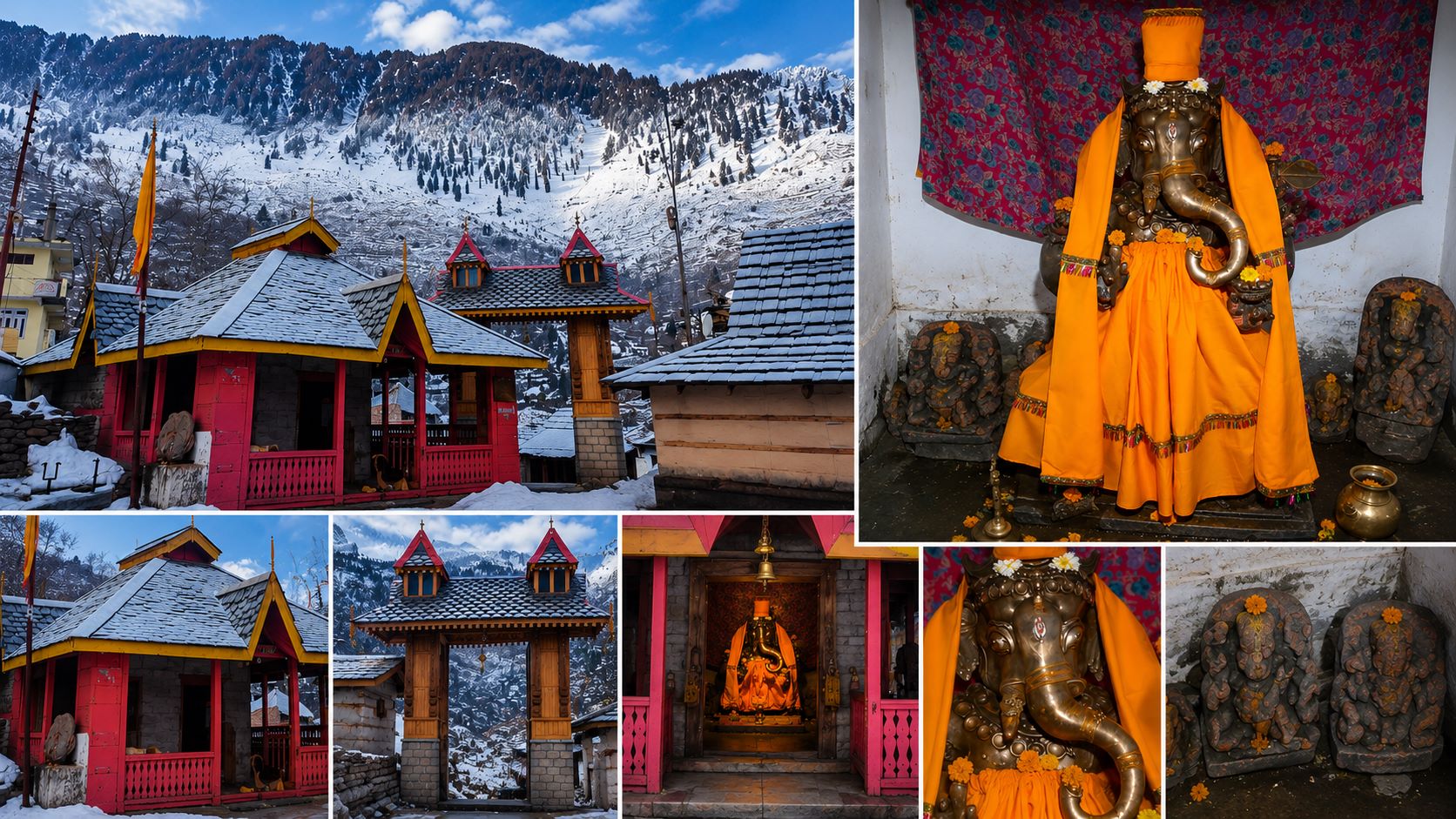
One of the most extraordinary features of the temple is the life-size bronze image of Lord Ganesha enshrined inside the sanctum. The idol is considered a masterpiece of early medieval Indian metal sculpture.
Although the idol’s legs are missing due to historical destruction, the image still radiates divine power and artistic brilliance. Lord Ganesha is depicted seated majestically on a lion throne, symbolizing strength and royal authority.
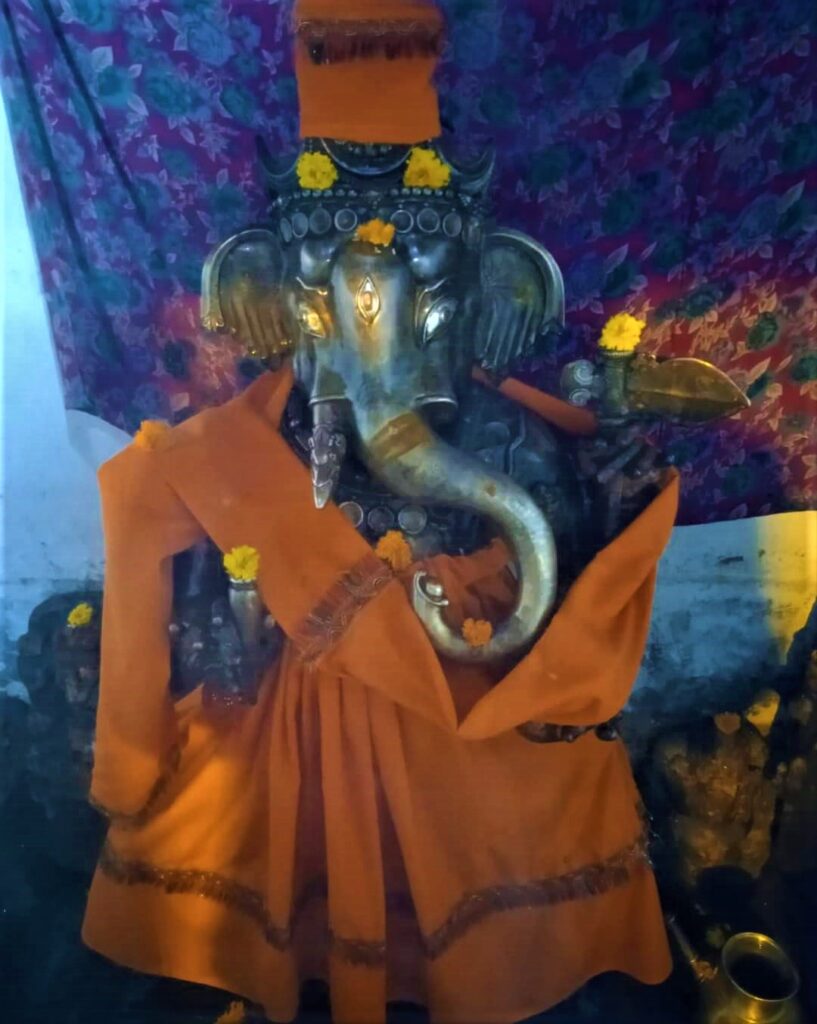
The deity bears a snake as a sacred thread, known as the Yajnopavita, draped across his body. This unique representation carries spiritual symbolism associated with energy, protection, and divine consciousness.
The three-eyed form of Lord Ganesha is another exceptional aspect of the idol. The third eye signifies supreme wisdom and spiritual insight. In his hands, the deity holds:
- A rosary symbolizing meditation and spiritual discipline
- His broken tusk representing sacrifice and wisdom
- A hatchet used to remove obstacles and ignorance
- A plate of sweets (laddus), symbolizing prosperity and fulfillment
The sculpture also portrays Lord Ganesha wearing a tiger skin garment known as Vyaghracharma. Through the finely crafted artistic details, one can observe his muscular body, abdominal contours, and deep navel, showcasing the remarkable skill of ancient craftsmen.
The idol’s powerful appearance leaves devotees and visitors in awe, making it one of the most admired bronze sculptures in Himachal Pradesh.
Architectural Features of the Temple
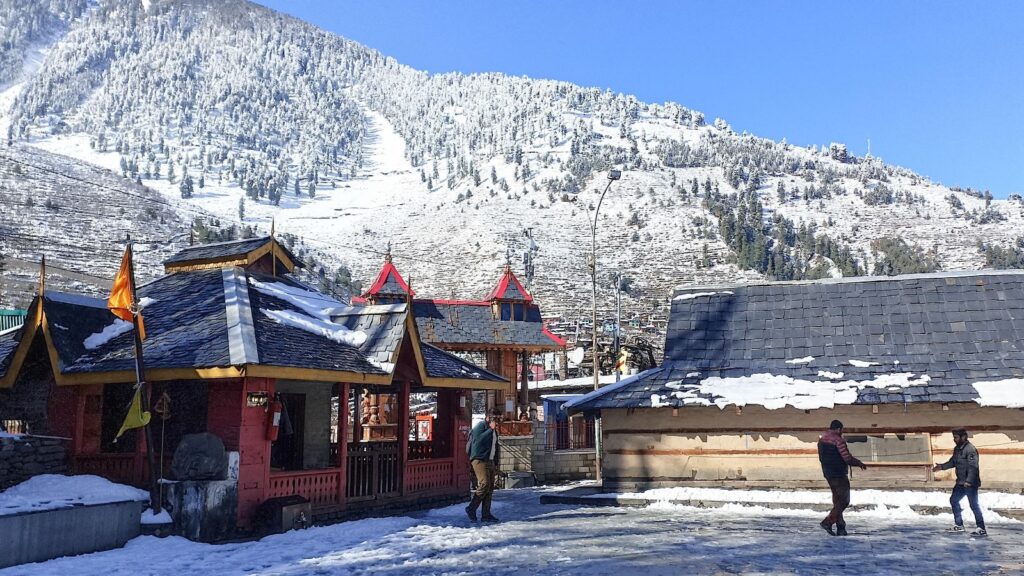
The architecture of the Lord Ganesha Temple reflects the traditional Himalayan temple style combined with ancient North Indian influences. The shrine consists of a square sanctum or cell, surrounded by a narrow circumambulatory passage known as the Pradakshina Path.
The structure is topped with a sloping slate roof, which appears to have been added during later restoration phases. Such sloping roofs are common in Himachali temple architecture due to the heavy snowfall and rainfall experienced in the region.
Despite its relatively modest size compared to other temples in the Chaurasi complex, the Ganesha Temple possesses immense charm and historical authenticity. The weathered stone walls, wooden elements, and sacred atmosphere transport visitors back to an era of ancient Himalayan kingdoms and devotional traditions.
Chaurasi Temple Complex and Its Spiritual Aura
The Chaurasi Temple Complex is one of the most important pilgrimage centers in Himachal Pradesh. According to local legend, 84 Siddhas or saints visited Bharmour and meditated in the region, giving rise to the name “Chaurasi,” meaning eighty-four.
The complex houses temples dedicated to Lord Shiva, Lakshana Devi, Narasimha, Manimahesh, and several other Hindu deities. However, the Ganesha Temple serves as the spiritual gateway to the entire sacred compound.
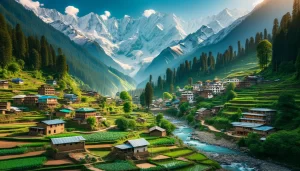
Surrounded by snow-clad mountains, cedar forests, and the serene beauty of the Himalayas, Bharmour offers a deeply peaceful and spiritual experience for visitors. Pilgrims often combine their visit to the Chaurasi temples with the famous Manimahesh Yatra, one of the holiest pilgrimages dedicated to Lord Shiva.
Visiting Lord Ganesha Temple Bharmour
Bharmour is located in the Chamba district of Himachal Pradesh and is well connected by road. The nearest major town is Chamba, approximately 65 kilometers away. Travelers can reach Bharmour via buses and taxis from Chamba and nearby cities.
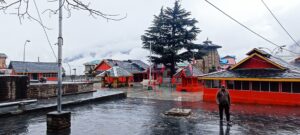
The best time to visit the temple is from April to October when the weather remains pleasant and suitable for sightseeing. During winter, heavy snowfall may affect accessibility.
Visitors are advised to respect local customs, maintain silence within the temple premises, and dress modestly while visiting this sacred site.
A Timeless Symbol of Faith and Heritage
The Lord Ganesha Temple in Bharmour stands not only as a place of worship but also as a living reminder of Himachal Pradesh’s rich cultural and spiritual heritage. Despite invasions, destruction, and the passage of centuries, the temple continues to inspire devotion and admiration.
Its ancient bronze idol, historical significance, and sacred location at the entrance of the Chaurasi Temple Complex make it an unforgettable destination for devotees and history lovers alike. The temple beautifully reflects the enduring faith of generations who have preserved this sacred legacy in the heart of the Himalayas.